

The Next Big Horror Genre

Every era has its own dominant horror movie genre. The early 2010s loved the paranormal (The Conjuring, Insidious), the late ‘10s revived folk horror (Midsommar, The Ritual), and current filmmakers are drawn to the gothic (Nosferatu, Frankenstein, The Bride).
Enter the next big movement in horror cinema: Liminal Horror.
Two liminal horror films from the top indie distributors are set to be released in rapid succession:
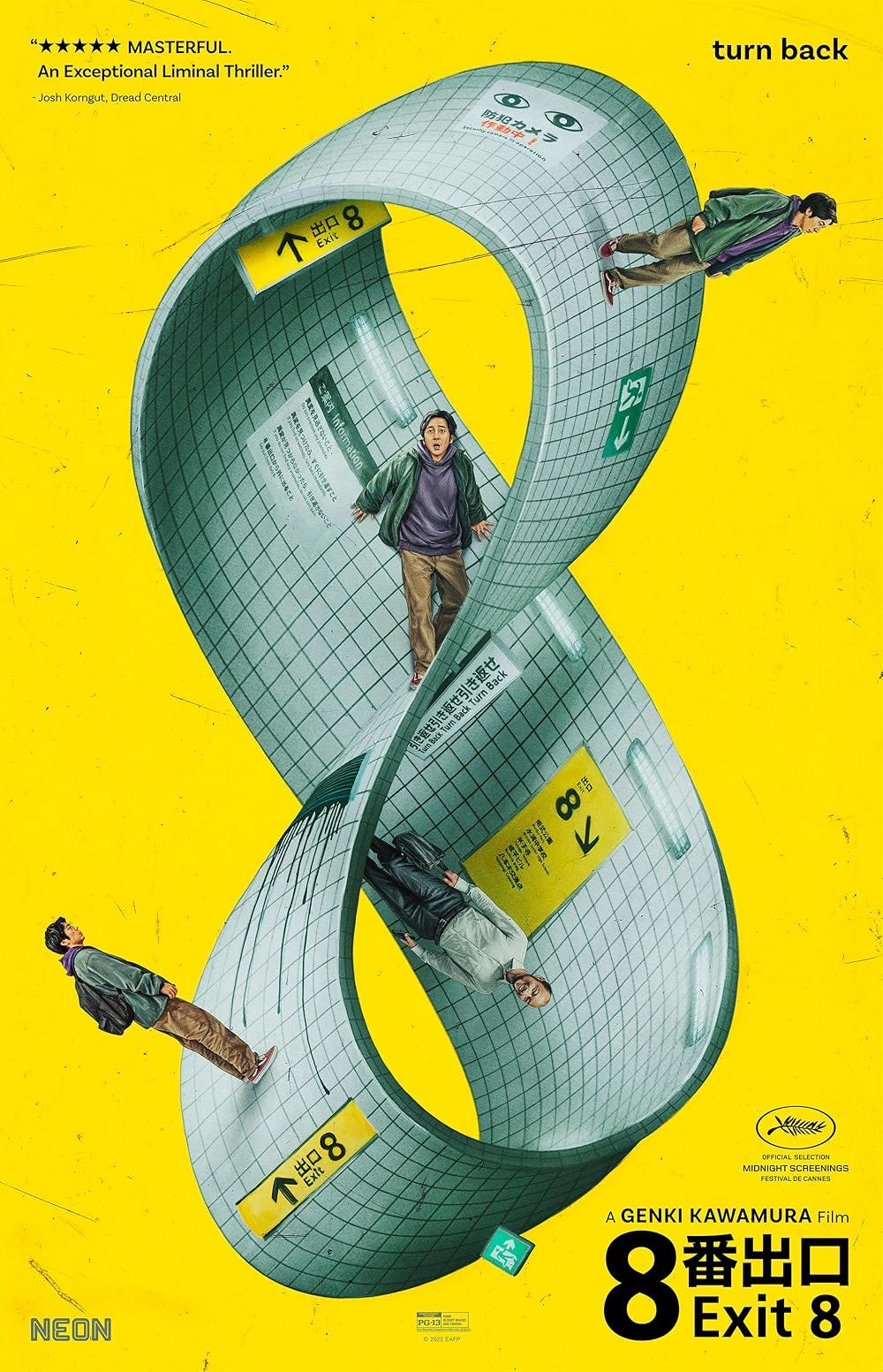
The first is Neon’s Exit 8, which follows a Tokyo commuter as he navigates a never-ending subway space.
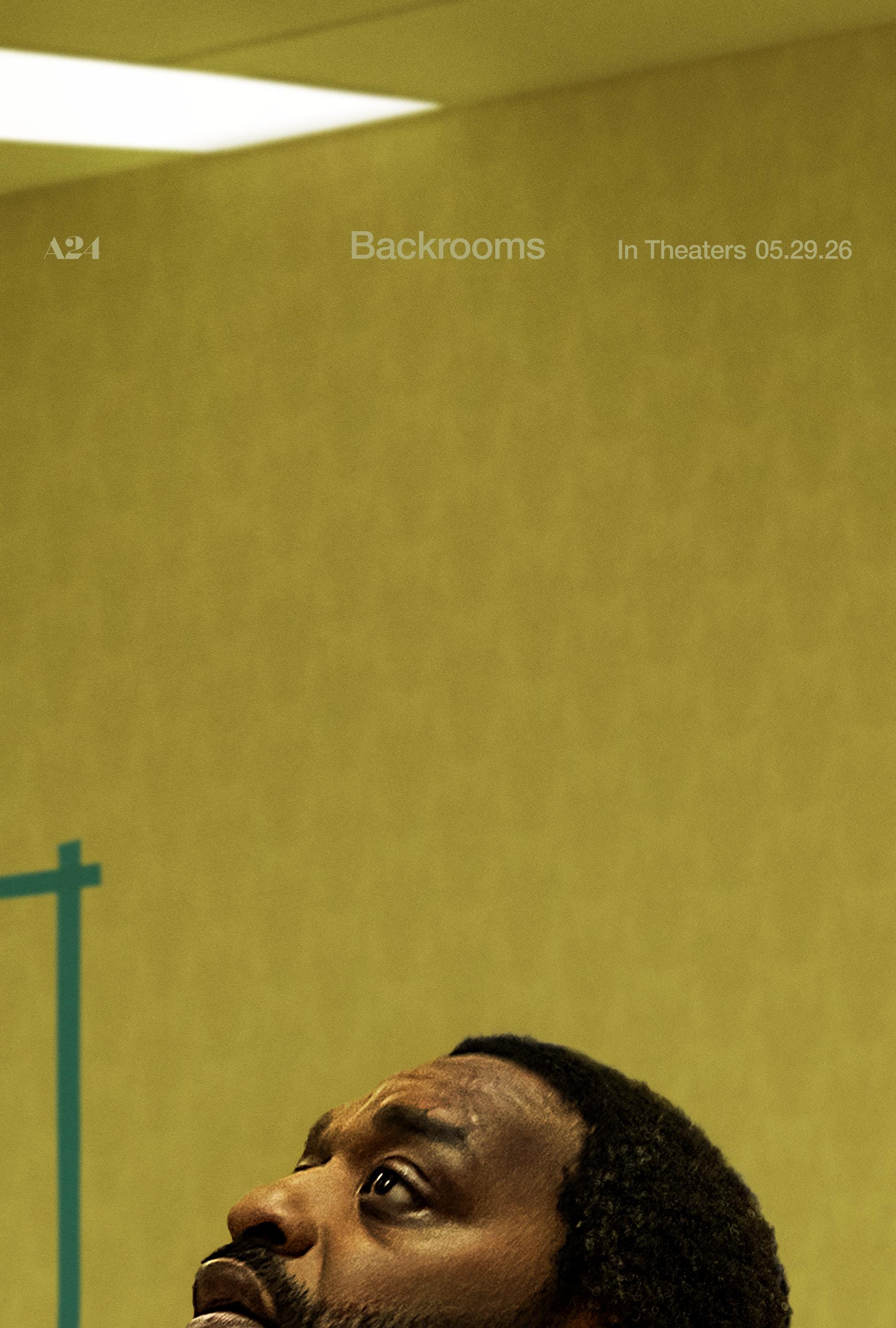
The second is A24’s Backrooms, which sees a therapist seeking her missing patient in an unsettling labyrinth of corridors.
Below, I explore where this exciting film genre has come from and how it will develop in the future.
Online Beginnings
Although liminal horror may be only just emerging as a movie genre, it has existed online for some time.
The word “liminal” refers to liminal spaces; transitional spaces you are supposed to move through rather than spend time in, such as hallways, staircases, or car parks. Images of these locations became popular in online forums, with participants reveling in their creepy mundanity.
These images resonated with internet users, as they were evocative of the feeling they got from wandering through web pages, or falling down a Wikipedia rabbit hole; liminal horror is born from the internet, and thus follows its architecture.
It is not a new concept per se; people have been losing themselves in the internet’s winding corridors since its conception. But these more niche experiences became universal during the COVID pandemic, sparking the liminal horror boom we are starting to see, making it a popular enough sub-genre to make A24/Neon hungry enough to capture the zeitgeist.
The Glitch in the Matrix
One particular image in the liminal horror space truly ignited the internet’s imagination: a series of interconnected rooms, with no apparent end, devoid of furniture and sporting sickly yellow walls and carpet.
Shared in 2019 on 4chan, the picture so perfectly encapsulated the idea of a creepy liminal space that - in a feat of group-storytelling - the forums came together to create a backstory for this place. They called it: The Backrooms.
No one enters The Backrooms on purpose. Through a strange “glitch” in reality (or a “no-clip” for all you gamers), they appear there. There is no recorded way out, only endless identical rooms, the hum of fluorescent lights, and, possibly, something sinister lurking around the corner.
The lore was built organically, with information being added by different people on the Backrooms Wiki page. It gained even more prominence in 2022 when filmmaker Kane Parsons was inspired to create an animation on Blender of a “found footage” style video exploring the Backrooms. The sheer popularity of this video and its further iterations have led to Parsons directing A24’s much-anticipated Backrooms, releasing in the US on 29th May.
This isn’t the first time an internet urban legend, or “creepypasta” as they are known, gained offline traction - Slender Man originated in the Something Awful internet forum in 2009 and spawned video games and a 2018 feature film.
But I believe Backrooms won’t just be a time capsule film, capturing a short-lived internet obsession. This film will be seen as the catalyst for liminal cinema - what The VVitch was for folk horror. It will inspire countless filmmakers.
However, it isn’t the first to venture into liminal territory.
Video Game to Film Adaptation Precursors
The power of liminal spaces has been utilized in video games for decades (the subway setting of Kotake Create’s 2023 game The Exit 8 reminds me of the subway sequences in Konami’s 2003 game Silent Hill 3), but it has been especially prevalent in the last few. Games such as Dreamcore (2025) and Pools (2024) take you through a series of eerie locations, building horror with a sense of unease rather than jump scares or gore.
And, although A24’s Backrooms will be the liminal boom’s catalyst, the genre has already started creeping into cinema with Exit 8, an adaptation of the earlier-mentioned game, premiering at Cannes last year and being picked up by Neon for a North American release this past weekend.
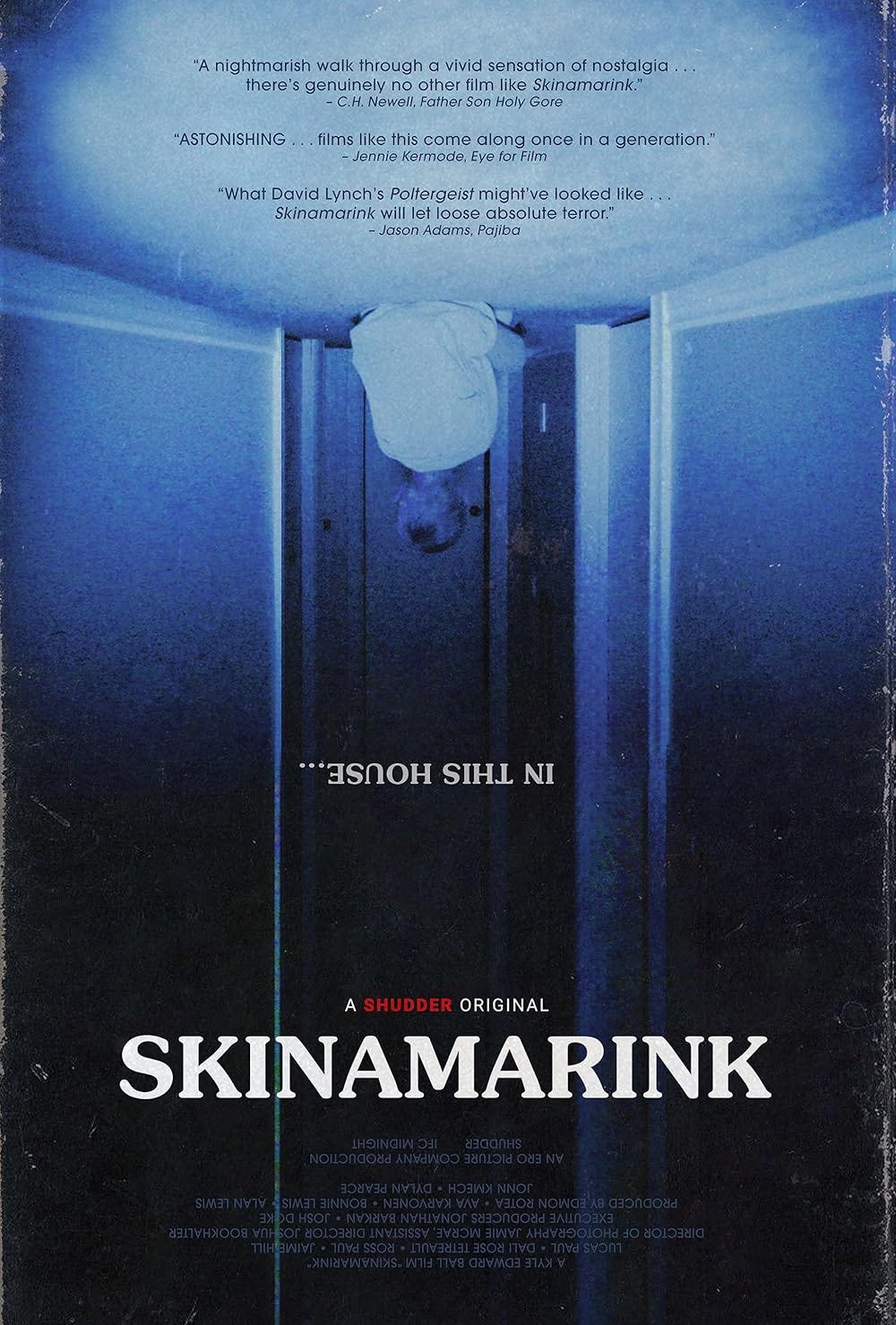
The first film to hint at filmmakers' interest in the liminal was most likely 2022 experimental horror Skinamarink, directed by Kyle Edward Ball. This follows two young children who wake up to realize their parents are missing, and all the doors and windows in their house have disappeared, leaving them in eerie darkness. Their home has become a series of void-like rooms interconnected by dark corridors. It’s nightmarish for a reason - Ball, similarly to Parsons, began his journey on YouTube, turning his subscribers’ bad dreams into videos.
Although it doesn’t include liminal spaces, Jane Schoenbrun’s We’re All Going to the World’s Fair captures the ultra-online sentiment that created them. One sequence in the film moves through a bunch of interrelated images on TV screens. It focuses on a specific Creepypasta and how individuals online come together to create its lore. The horror comes from this online world breaching into the physical realm, with the protagonist questioning their own reality.
Liminal Horror is a representation of this breach.
Liminal Horror to Come
As more filmmakers recognize the potential of liminal horror, the genre will continue to gain traction. This is how I see the style and themes further developing in cinema over the next few years:
Analog and found footage. Analog (characterized by lo-fi visuals) has gone hand in hand with liminal horror online, as has found footage. This is because, while being eerie, it’s also budget-friendly and accessible to indie filmmakers. I can see grainy security footage and pixelated video game visuals making an appearance. These low-budget films will also be a massive draw for studios - Skinamarink was shot on the near-unheard-of $15,000 budget and grossed over $2.1M worldwide.
Surrealism. An idea that has strong roots in the history of cinema, from Luis Buñuel’s Un Chien Andalou to the screenwriting of Charlie Kaufman (Being John Malkovich, I’m Thinking of Ending Things), surrealism questions reality, and so liminal horror will draw from the same inspirations - non-linear narratives, montaged imagery, and dream-like scenarios.
Nostalgia. The most familiar of feelings, warped to the surreal. Imagery from childhood - nursery rooms, toys, playgrounds - will be utilized, as well as properties that modern audiences would have grown up with. Imagery from long-running shows like Sesame Street or The Simpsons could be referenced (the whole layout of The Simpsons' home would work as a liminal horror setting). This was utilized in the 2024 film I Saw the TV Glow, Jane Schoenbrun’s sophomore feature, where the protagonist was continuously haunted by imagery from their favorite childhood TV show.
An Entity. If monsters lurk in these liminal spaces, they won’t be clear-cut fanged horrors. They will be an extension of the space itself - a suggested presence that rules over the location - think of The Entity from Skinamarink, a barely seen evil force that calls out to the children from the shadows.
Location. As the genre evolves, the “liminal” in liminal horror may be less important than the feeling a place emits, and setting the film in a transitional space won’t be necessary. To link back to the theme of nostalgia, locations such as playgrounds and schools would be likely settings.
The genre may change over the years, and in a decade or so, we may not even refer to it as “liminal horror” - but the uncomfortable terror caused by those abandoned corridors posted on internet forums will linger in the films to come.
 | A guest post by
|
While not exactly a horror game, The Stanley Parable is a wonderful use of liminal space combined with surreal storytelling.
I was in a 2019 film that perfectly fits this genre. Thanks for the term. It won a lot of awards and is a quick watch. https://youtu.be/GUPSrH2HC-g?si=8tgEfrDr-RR6qbQS