



We had a great opportunity to interview four of the top Emmy-nominated directors for this year’s Emmys in collaboration with the DGA.
I had a wonderful time learning how each of them problem-solves on set, works with actors, and plans ambitious shoots with very limited time.
We spoke with:
Randall Einhorn
2026 Emmy Nomination: Comedy Series - ABC’s Abbott Elementary
Lifetime Emmy nominations: 9
Total episodes of Abbott Elementary directed: 39
Previous shows directed: Fear Factor, Modern Family, many episodes of The Office and It's Always Sunny in Philadelphia, and Parks and Rec
Hanelle M. Culpepper
2026 Emmy Nomination: Drama Series - Hulu’s Paradise
Total episodes of Paradise directed: 4
Previous shows directed: Criminal Minds, Empire, Quantico, How to Get Away with Murder, Lucifer, Supergirl, Star Trek: Discovery, Westworld, and Matlock
Alexandria Stapleton
2026 Emmy Nomination: Doc Series - Netflix’s Sean Combs: The Reckoning
Lifetime Emmy nominations: 2
Directed full 4-part series
Previous shows: Senior Producer on CBS's The Case of: JonBenét Ramsey, HBO's God Save Texas, and ESPN's The Brittney Griner Story
Mary Lou Belli
2026 Emmy Nomination: Comedy Series - BET’s The Ms. Pat Show
Lifetime Emmy nominations: 4
Total episodes of The Ms. Pat Show directed: 23
Previous shows directed: Sister, Sister, Monk, Wizards of Waverly Place, Bull, NCIS: New Orleans, Sweet Magnolias, and Elsbeth.
RANDALL EINHORN
Outstanding Directing For A Comedy Series
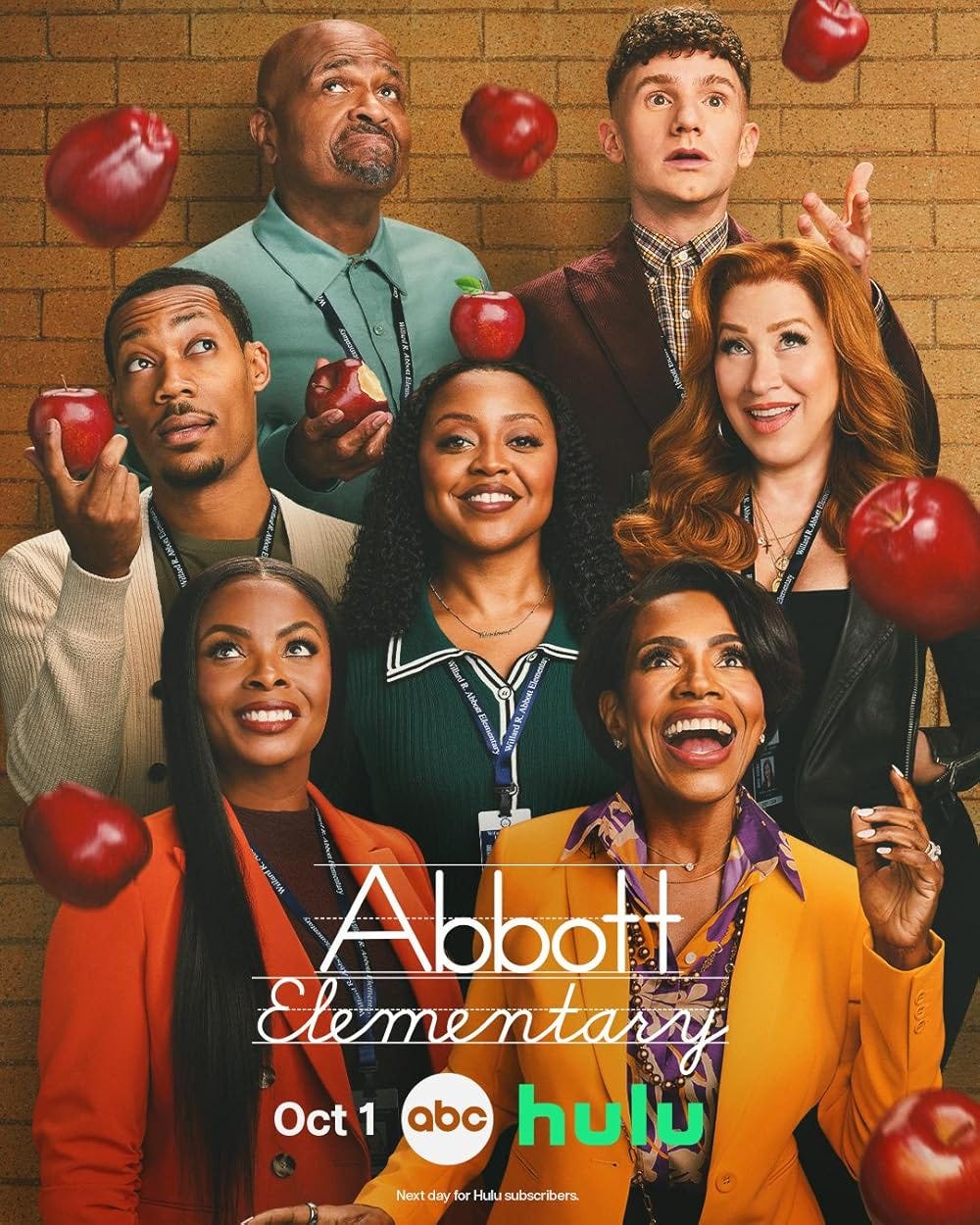
Randall Einhorn is a master planner.
In Ballgame, his episode of Abbott Elementary, he pulled off shooting an episode of the hit comedy during a live Phillies game.
Knowing it would be impossible to get usable dialogue during the game, he had to architect a plan to blend a pre-shoot at the stadium without the crowds with his cast’s live reactions on game day.
It involved 450 extras, multiple cameras, planning 70 to 80 moments in the script where he could whip-pan out of pre-recorded story beats and into the live action of the ballgame and then architecting it in the edit.
And to boot, he was able to deliver it on time because of his seamless, fastidious planning.
There are also some amazing unplanned moments, like Phillies MVP Kyle Schwarber hitting a rare four home runs in the ballgame they filmed live. After the game concluded, Einhorn filmed a scene where Schwarber met the teachers.
Einhorn broke down how he directed Schwarber:
"Yeah, he was full of energy, but my direction to somebody like that is just do what Kyle Schwarber would do and say what Kyle Schwarber would say. I mean, here's the script and use what you would like, but you be you. Don't let me tell you who you are.”
Einhorn’s episode of Abbott Elementary is a testament to ambitious directing.
HANELLE M. CULPEPPER
Outstanding Directing For A Drama Series
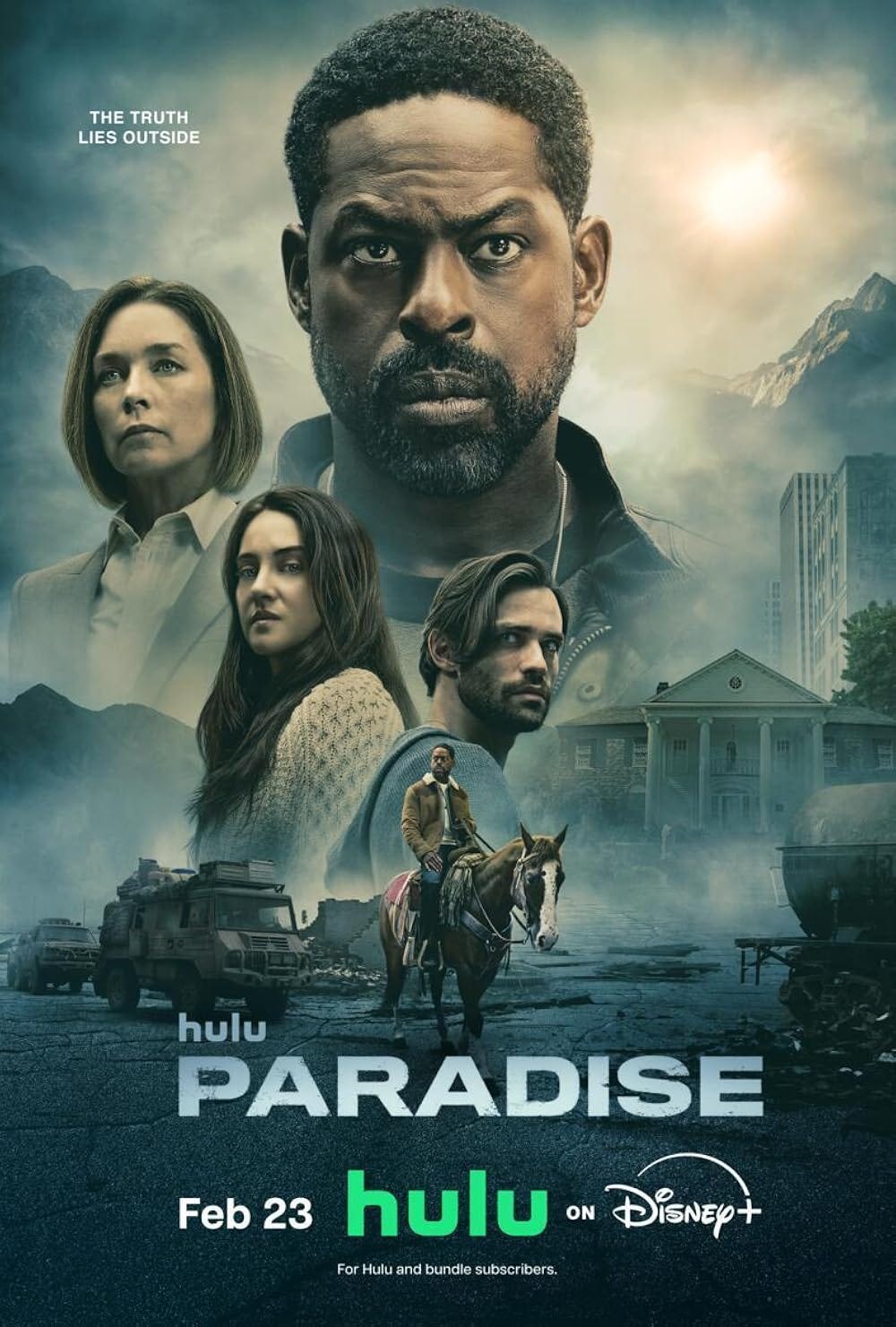
Hanelle M. Culpepper is an expert at the relationship of time and cinematic TV. Paradise is a show steeped in flashbacks that also contends with a quantum supercomputer that's predicting the future.
As Culpepper architects these differing realities, she keeps things very grounded with her camera work. One stunning sequence in her episode Exodus involves a complex escalator rescue (indicative of Speed) with a meaty character revelation afterward.
Culpepper stated:
“The elevator sequence requires four different set pieces to create this seamless experience for the audience that keeps you on the edge of your seat.”
She continued:
“I want to give you the spectacle and all the suspense and all the action and thrills, but I really wanted to be grounded in what these people are experiencing and making sure that ultimately that's what my camera captures.”
In one moment in the episode, the main characters Sterling K. Brown and Julianne Nicholson, who have come to despise each other, are thrust together on a short-term mission and share a brief but poignant look of disgust.
Culpepper expanded:
“And one thing that I loved about the theme of my episode and of the show is that it really is also about unity and coming together and two opposite sides, finding that way to work together so that we can all basically survive and win and doing that for the greater good. And that’s something that happens in that scene as well.”
Exodus is one of the rare TV show episodes that looks like it’s out of a blockbuster film. The scale of production is immense, and that’s why it’s so impressive that Culpepper has kept everything so grounded.
ALEXANDRIA STAPLETON
Outstanding Directing For A Documentary/Nonfiction Program
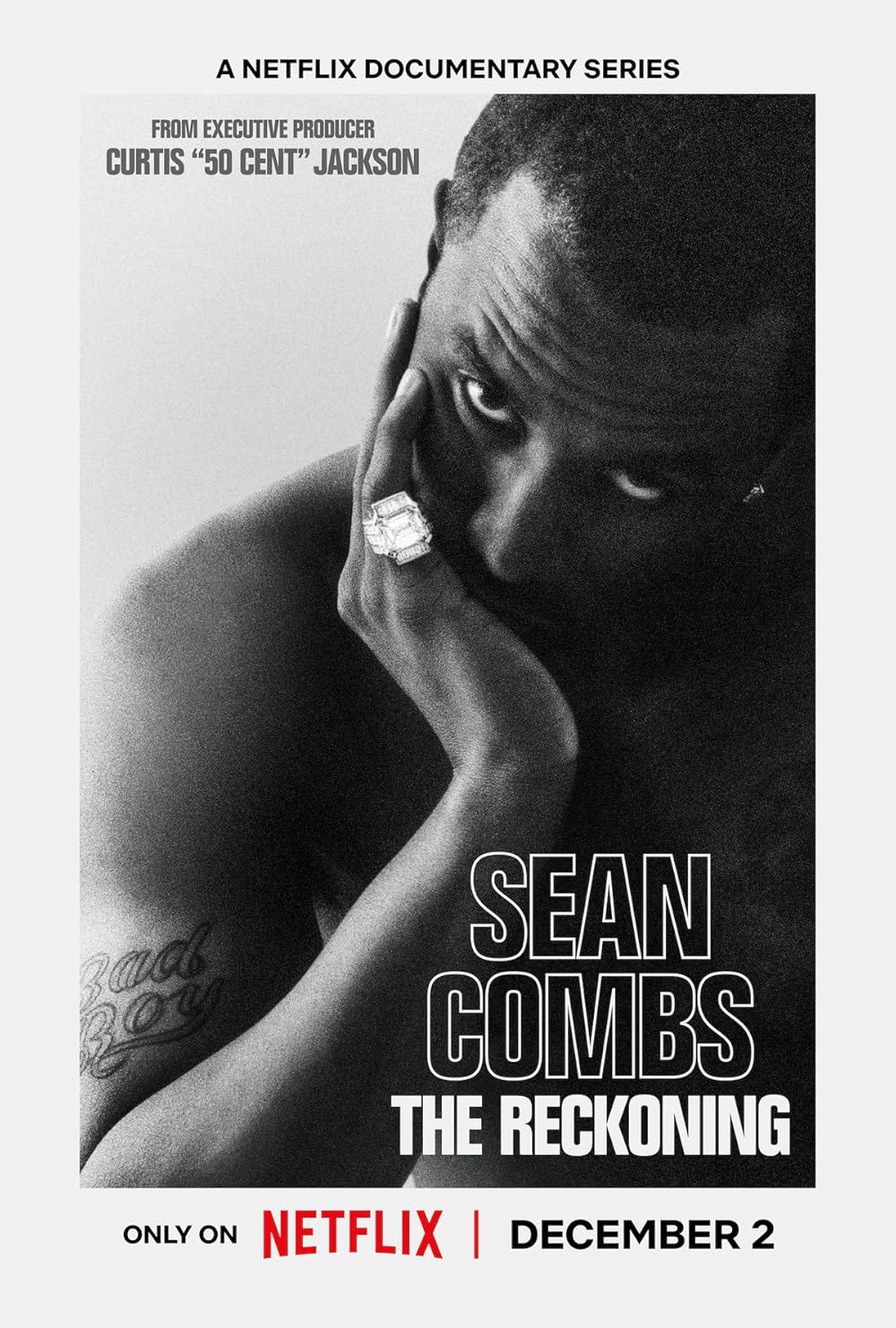
What Alexandria Stapleton has done in Sean Combs' The Reckoning is create a complex, visceral, multifaceted portrait of Combs.
Part of it is her vibrant telling of hip-hop history in the 90s, especially the East vs. West rap battles that would emerge as Dr. Dre, Snoop Dogg, and Tupac from the West became massive artists whom Biggie and Sean Combs, e.g., Puff Daddy from the East, tried to emulate and master through their own styles.
The Reckoning is also a powerful telling of Sean Combs' story, from his life growing up in a fractured home to his immense confidence, hustler mindset, and the very sharp taste that propelled him to massive heights.
In each interview with Combs’ inner circle, Stapleton is able to pull out these complexities. And this is what is powerful about her technique: she's able to capture the bliss, tragedy, and terror of Combs' life.
It’s doubly impressive because all this was happening during the media circus that occurred during Sean Combs’ arrest:
Stapleton shared:
“It was chaos. And a lot of people were having—just every day was a challenge for them—because the media was just like, relentless.”
She continued:
“So once I would start talking to them, and they would start telling me their story… my goal is to not have the interview only rest in the trauma of what happened. Like, I want to understand the whole, the 360, like experience of being, knowing Sean Combs.”
She continued:
“And I think that honestly, that was probably what made my approach a bit different than everyone else's and potentially what made people feel a little bit comfortable.”
Stapleton’s sacred bond between her and her subjects combined with the live-wire element of when this was directed creates an emotional and propulsive watch. I found it addicting as hell.
MARY LOU BELLI
Outstanding Directing For A Comedy Series

Mary Lou Belli has a unique talent for mixing the high-wire hilarious with the heartfelt.
That balance is particularly sharp in her Emmy-nominated episode, Give It a Rest.
Belli explained:
“When you’re doing drama and you infuse comedy, you surprise the audience, and you humanize all the characters. When you do comedy and you add drama, it sort of makes it a little bit more pithy. And that’s what attracted me to The Ms. Pat Show.”
The most hilarious sequence is when Pat’s sister, Denise, offers to do the hair of her nephew’s girlfriend who is 20+ years older than him. It quickly becomes a surreal interrogation scene where Denise becomes imbued with the ability to read the girlfriend’s mind.
Belli stated:
“When you trust your actors and know your actors can achieve that, you don’t have to push as a director. You just go, ‘Let it play.’”
The flip side of the episode is that Pat is very punitive toward her young son, but by the end of the episode she comes to grips with her own mortality and gains empathy.
For Belli, the episode is an exploration of a difficult question:
“Kids screw up, and there’s a real tough balance between tough love and empathy for them and what they’re going through and knowing which way to apply it and when.”
Belli’s real art in this episode is watching the peaks and valleys of scenes move from comedy to drama, making everything feel heightened and honest.
The DGA has made some great gains this year that have contributed to the success of these TV directors.
First, they negotiated the first new credit since the 1970s: the TV Pilot director credit. Moving forward, shows are required to give an on-screen credit to the director of each show’s pilot to underscore the work they do in setting the show’s tone and visual style.
The DGA has also won a concession requiring that directors be kept in the loop for the entire post-production process. This was not always the case, with TV directors often hopping to another studio for a new project.
On AI, they’ve come down pretty hard as well, saying that directors can’t get cut out of the loop if AI is being used by the studios. So, for instance, a studio can’t take away a project from a director and finish it with AI. That’s going to be even more crucial as the technology continues to burgeon.
Thanks to the DGA for all the help orchestrating these interviews!
Written and edited by Gabriel Miller.
Follow us on: Facebook | Instagram
Want to advertise with us? Email: clarke.scott@theindustry.co


